

Overmolding and Insert Molding
Precision overmolding and insert molding for complex, multi-material plastic components. From elastomer encapsulation and integrated inserts to custom tooling and serial production.

ISO 13485 Certified
Quality management for precision medical and industrial manufacturing.

Overmolding for Precision Components
Overmolding is a multi-step injection molding process where a secondary polymer or elastomer is molded over a pre-existing substrate or insert.
This approach combines mechanical strength and functionality into a single multi-material component, providing opportunities for sealing, protection, improved grip, and integrated functional features.
At Micromolds, our overmolding and insert molding capabilities are supported by in-house tooling and engineering expertise, allowing us to evaluate complex geometries, material combinations, and precision component requirements.
Overmolding Types
Overmolding
Two molds are typically used in overmolding. One is for the primary part layer - the substrate part and the second is for the second part to overlay the substrate. Overmolding allows plastics of different colors or physical properties to fuse together.
For example, a clear acrylic lens can be overmolded into a PCB plastic housing. So overmoulding is very similar to 2-shot process but requires more manpower and two molds but cheaper with less production.
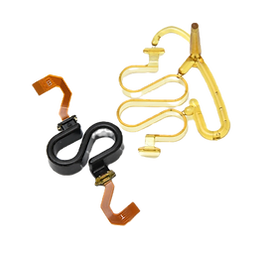


Tooling Optimized for Overmolding and Insert Molding
Overmolding requires precise insert positioning, controlled material interfaces, and repeatable alignment between molding steps.
Our in-house tooling is designed specifically for stable multi-material micro molding.
-
Dedicated tooling for accurate insert fixation
-
Mold concepts optimized for material interface control
-
Stable tooling for repeatable overmolding at micro scale
Tool design must also account for substrate retention, gate positioning, material flow, shrinkage, and the potential for flash or deformation around the insert.
Evaluating these requirements during the design stage helps identify potential risks before mold manufacturing begins.

Material Compatibility and Bonding in Overmolding
Material selection is one of the most important decisions in overmolding. Two polymers that can be processed individually do not necessarily form a reliable bond when combined.
Depending on the materials and application, bonding may be achieved through chemical adhesion, mechanical interlocking, or both. Mechanical retention features can be particularly important when the selected materials do not provide sufficient chemical adhesion.
Engineers should also consider differences in shrinkage, processing temperatures, component stiffness, and the mechanical stresses expected during use. For sensitive inserts, molding conditions must be selected to minimize the risk of damage or deformation.
Early evaluation of these factors can help prevent delamination, poor sealing, insert displacement, and other manufacturing defects.
For additional information about polymer selection and material bonding, see our engineering materials guide.

Overmolding Applications
Overmolding and insert molding combine multiple materials into one functional part, enabling integration of rigid and flexible materials, electrical interfaces, and sealing features.
Used across electronics, medical, and industrial applications where protection, sealing, and functional integration are required from prototyping to series production.
Common applications include:
-
Connectors and electrical contacts
-
Cable and wire assemblies
-
Sensor and PCB encapsulation
-
Sealing and strain relief components
-
Multi-material housings and grips
These processes are particularly valuable when component protection, reliable insert positioning, or the integration of multiple functions would otherwise require additional assembly operations.
For medical devices and electronics applications, material selection and manufacturing requirements must be evaluated against the component's intended operating conditions.
Project Workflow
Share your CAD model and receive engineering feedback and a production quote.

1. Upload a CAD File
Upload your CAD model and project requirements.

2. DFM Review & Quote
Receive feedback and a production quote.

3. Tooling & Production
Tooling preparation and injection molding begin.

4. Delivery
Parts are produced, inspected and delivered.


Trusted by
Leading Brands and Clients






Still have questions? Reach out to our team
Answers to your most common questions
Ready to start your project?
Contact our team to discuss your design, manufacturing requirements, and production goals.
Looking for more answers?
Explore our Frequently Asked Questions.